November 20, 2026
Panel Replacement or Service Upgrade for Growing Businesses
By @homepowerjournal
When a business expands, its electrical system often becomes a bottleneck. New equipment, additional workstations, or a remodel can push an existing panel past its capacity. At that point, a facility manager or business owner faces a practical decision: replace the panel outright or upgrade the service feeding it. Both paths increase electrical capacity, but they suit different situations.
The choice depends on what the current system lacks. A panel that is physically full of breakers but still has spare capacity on the main breaker might only need a sub-panel or a load rebalance. But when the main breaker trips regularly under normal load, or when you need to add circuits that the panel cannot physically accept, a deeper change is in order. Understanding the difference between a panel replacement and a service upgrade helps you plan the work and avoid unnecessary downtime.
What a Commercial Panel Assessment Reveals
A commercial panel assessment is the first step in either path. An electrician examines the existing distribution panel, checks the load schedule, and measures actual equipment load during peak operation. They also look at the condition of the bus bars, the breaker slots available, and the rating of the main disconnect. This assessment tells you whether the panel has room to grow or whether it has reached its design limit.
For a growing business, the assessment often uncovers one of two scenarios. In the first, the panel is physically full but the service entrance and main breaker still have headroom. In the second, the main breaker is already near or at its limit, meaning the service itself needs upgrading. Each scenario points to a different solution.
Panel Replacement: When the Box Itself Is the Limit
A panel replacement involves removing the existing distribution panel and installing a new one. The service conductors and the meter (if applicable) stay the same. The new panel may have more breaker spaces, a higher bus rating, or both. This is common in tenant improvements where a space was originally wired for light office use but now needs circuits for heavy equipment or dense cubicle layouts.
Panel replacement works well when the existing service is adequate but the panel is outdated or undersized. For example, an older 100-amp panel with only 20 breaker spaces may be replaced with a 200-amp panel that has 42 spaces, even though the service remains 100 amps. That extra capacity for circuits allows you to distribute loads more evenly and add new equipment without tripping breakers. It also gives you room to separate critical loads onto dedicated circuits.
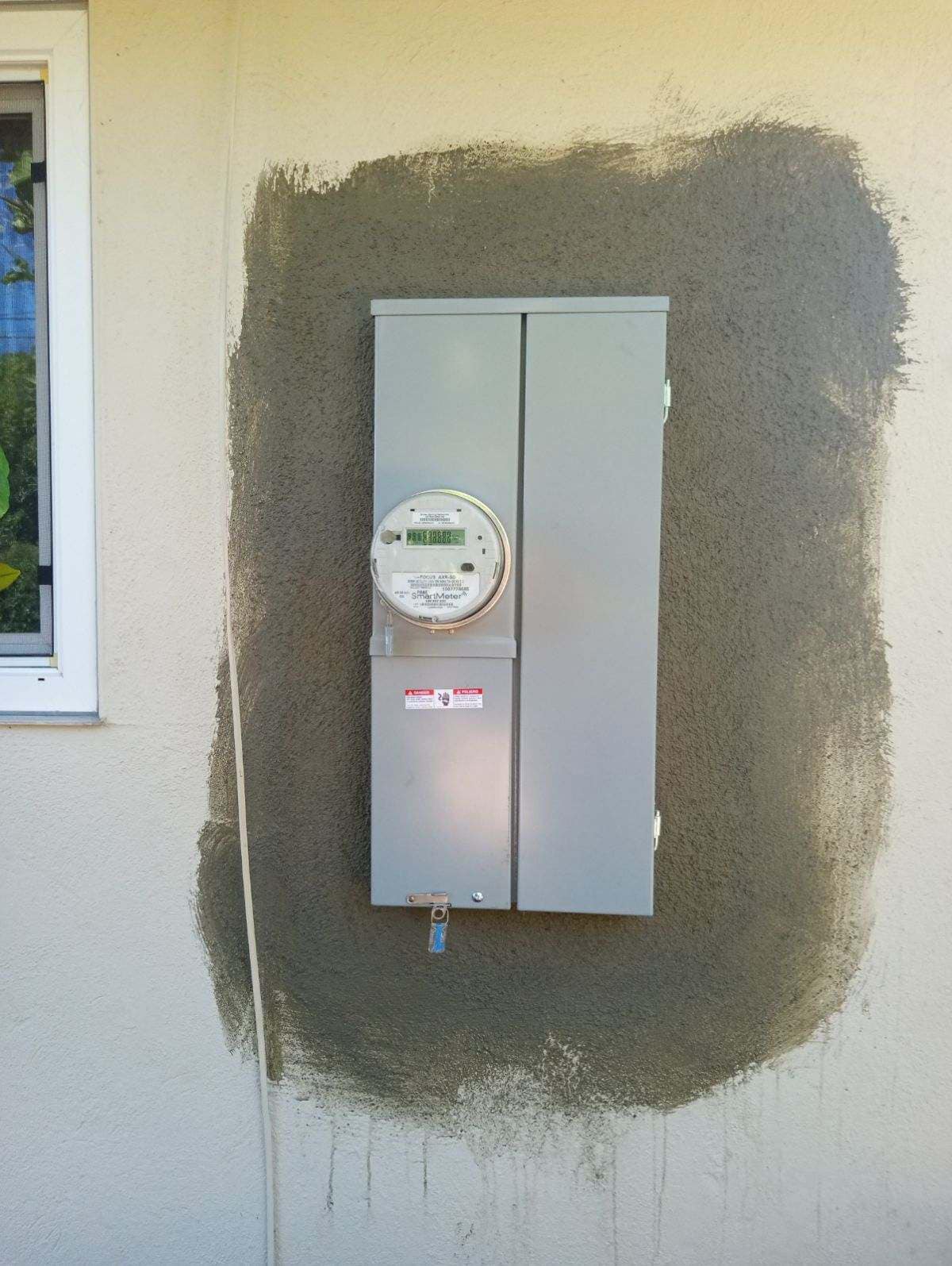
One trade-off is that a panel replacement typically requires an electrical shutdown. The building loses power while the old panel is disconnected and the new one is wired in. For a business that operates during normal hours, that means scheduling the work after hours or over a weekend. A careful electrician can often minimize downtime by pre-wiring the new panel in the shop and then swapping it quickly in the field.
The phrase "professional electrical panel replacement" covers this scenario well. The work involves precise load calculations, proper torque on connections, and compliance with current code. It is not a job for general maintenance staff. A licensed electrician handles the coordination with the utility if needed and ensures the new panel is properly bonded and grounded.
Service Upgrade: When the Incoming Power Is Too Small
A service upgrade increases the capacity of the conductors and equipment between the utility and your main panel. This is necessary when the main breaker is undersized for the total load, or when the service conductors cannot safely carry the current your business needs. A service upgrade might involve replacing the meter socket, the service entrance cable, and the main disconnect, along with the panel itself.
This path is common when a business adds major equipment such as a commercial kitchen, a server room, or manufacturing machinery. If the existing service is 100 amps and the new equipment alone will draw 80 amps, the service cannot support both the new load and the existing loads. In that case, a panel replacement alone does not solve the problem. The service must be upgraded, often to 200 amps or more, and three-phase power may be needed if the building currently has single-phase service.
A service upgrade involves more coordination. The utility company must approve and often schedule a service disconnect and reconnect. Permits and inspections are required. The building may need a new meter main combination or a separate disconnect. For businesses in Santa Clara and nearby communities, the local utility has specific requirements for service upgrades that an experienced electrician will know.
The phrase "professional electrical panel replacement" applies here too, but only as part of a larger project. In a service upgrade, the panel is usually replaced as a matter of course, because the old panel is not rated for the new service size. The critical difference is that the service conductors and main disconnect are also upgraded, which changes the scope and cost of the project.

Comparing the Two Approaches
To decide which path fits, consider the load schedule. A facility manager should work with an electrician to calculate the total connected load and the expected demand. If the existing service has headroom but the panel is full, a panel replacement is the straightforward choice. If the main breaker is already operating at or near its rating, a service upgrade is likely needed.
Another factor is future growth. If you expect to add more equipment within a few years, it may be more economical to upgrade the service now rather than replace the panel now and upgrade the service later. A service upgrade costs more upfront but provides headroom for years. A panel replacement costs less but may leave you needing a service upgrade sooner than you think.
A commercial panel assessment helps quantify these trade-offs. The electrician measures actual current draw during peak operation and compares it to the panel rating and the service rating. They also check for voltage drop and imbalance, especially in three-phase systems. With those numbers, you can make an informed decision.
Practical Considerations During the Work
Both panel replacement and service upgrade require an electrical shutdown. The building will be without power for a portion of the day. For a business that cannot afford downtime, a temporary generator can keep critical loads running while the work proceeds. That adds cost but may be worth it to avoid lost revenue.
Coordination with the utility is essential for a service upgrade. The utility must approve the new service size and may require a site visit. The electrician handles the paperwork, but the timeline depends on the utility's schedule. For a panel replacement that does not change the service size, utility involvement is minimal.
Code compliance is another factor. Panels installed decades ago may not meet current code requirements for arc-fault protection, ground-fault protection, or working space clearances. A replacement or upgrade brings the system up to code, which improves safety and may reduce insurance costs. It also makes future tenant improvements easier because the electrical system meets modern standards.
Making the Call
There is no single answer for every growing business. A commercial panel assessment gives you the data you need to choose between panel replacement and service upgrade. The assessment also identifies any safety issues, such as overheating connections or overloaded circuits, that need immediate attention.
If the panel is the limiting factor, a straight replacement solves the problem efficiently. If the service is the bottleneck, an upgrade is the only way to get the capacity you need. Either way, the work should be done by a qualified electrical contractor who understands commercial loads, local codes, and utility requirements. With the right plan, your electrical system keeps up with your business as it grows.
❧